
December 5, 2024
Dental Hygiene Practices to Follow After Your Treatment in Mexico
Your smile is more than just a feature – it’s a reflection of your health, confidence, and well-being. And when you invest in dental care, especially in Mexico, you’re taking a meaningful step toward revitalizing these aspects of yourself.
Renowned for offering high-quality treatments at accessible prices, Mexico attracts countless patients who want everything from dental implants to complete smile makeovers. Yet, the true secret to preserving these transformative results lies in what happens next: adopting an exceptional dental care routine. Here’s how to keep your smile radiant and your results long-lasting.
Commit to a Winning Oral Hygiene Routine
The cornerstone of any healthy smile is consistency. After your procedure, building a thoughtful oral care routine becomes even more critical. Here are some tips and easy things you can do to make the most out of your brand new dental implants.
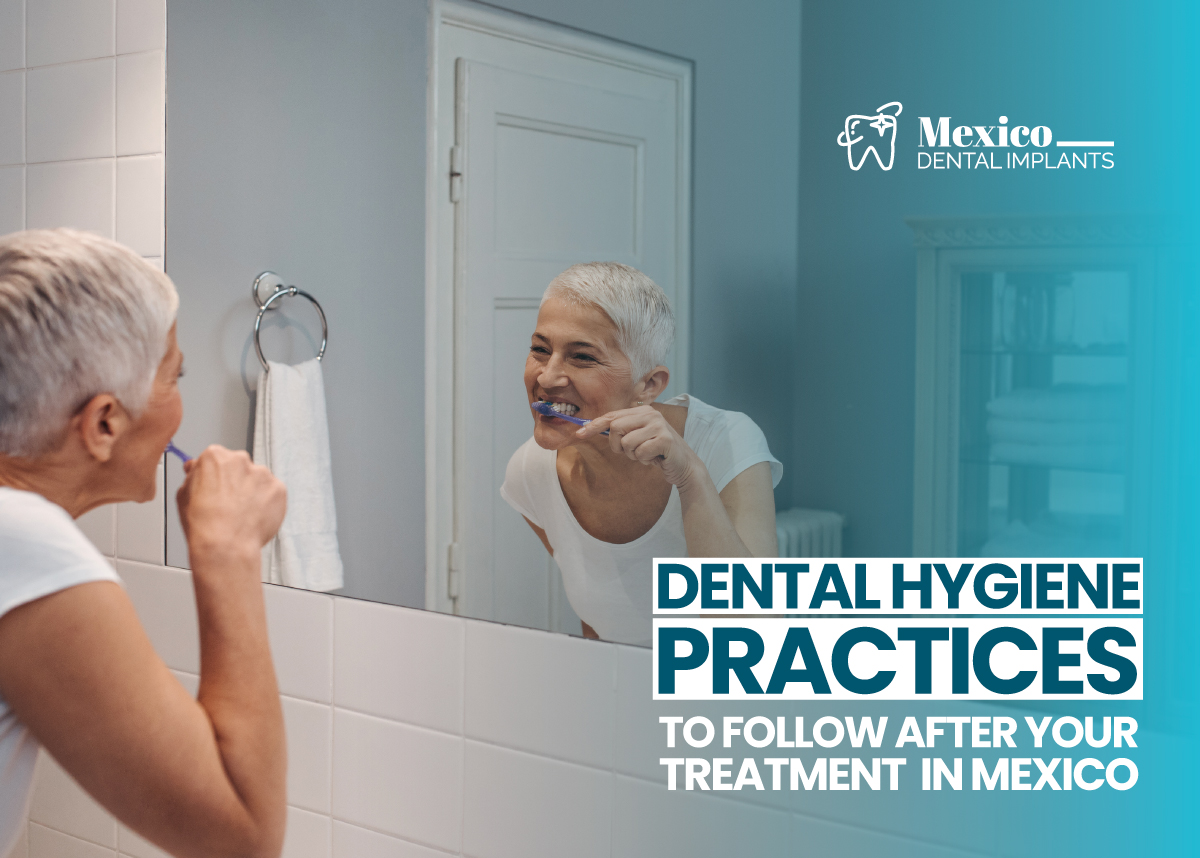
Gentle but Thorough Brushing
Twice a day, use a soft-bristled toothbrush and fluoride toothpaste to clean your teeth. And we get it: while it’s tempting to brush harder for a squeaky-clean feel, a gentle approach protects your enamel and gums.
Post-meal brushing is great – but if acidic foods like citrus or soda were on the menu, give it 30 minutes before reaching for your toothbrush!
Floss, Floss, Floss
Daily flossing removes plaque from those hard-to-reach spaces between your teeth. Think of it as the finishing touch to your brushing routine – simple but impactful. If traditional floss feels cumbersome, try interdental brushes for an easier alternative.
Don’t Neglect Your Tongue
Your tongue harbors bacteria that can contribute to bad breath and other oral health issues. A few seconds with a tongue scraper or your toothbrush can make a world of difference.
Use Antiseptic Mouthwash
Antiseptic mouthwash isn’t just about fresh breath – it’s a protective barrier against bacteria while your mouth heals. Opt for one with fluoride for added cavity protection and enjoy the minty bonus as your smile recovers.
Make Quitting Smoking Your Next Goal
It’s no secret that smoking undermines oral health, but during recovery, its impact is even more pronounced. From slowing the healing process to increasing the risk of implant failure, tobacco is no friend to your smile. Think about this moment as your perfect motivation to quit – it’s a decision that benefits both your recovery and your overall well-being.
A few things you can do to make the process easier – because let’s face it: quitting an addiction is no easy feat – is to start by setting small, achievable goals. Gradually reduce how much you smoke each day, consider nicotine replacement therapies, or join a support group for encouragement. You can also replace smoking triggers with healthy distractions – try chewing gum, taking a walk, or picking up a hobby!
Remember, every step you take toward quitting is a step toward a brighter, healthier future for both your smile and your overall health.

Nourish Your Smile with Smart Dietary Choices
What you eat post-treatment plays a crucial role in how well you heal. Here are a few things you can do:
- Embrace Soft Foods Initially: Focus on gentle, easy-to-eat options like yogurt, scrambled eggs, and smoothies to avoid overworking your teeth and gums.
- Moderate Sugars and Acids: Harmful bacteria thrive on sugar, while acidic foods can weaken enamel. Keep these to a minimum as you recover.
- Prioritize Nutrient-Rich Foods: Calcium, vitamins, and lean proteins strengthen teeth and bones. Think leafy greens, nuts, and dairy – your mouth will thank you.
- Stay Hydrated: Water does more than quench thirst – it’s a natural cleanser that rinses away bacteria and food debris. Plus, staying hydrated combats dry mouth, reducing your risk of cavities and bad breath.
Stay on Top of Follow-Up Appointments
Your dentist’s follow-ups aren’t just there to mess up your day: they’re there for good reason: to make sure your recovery is progressing smoothly and address any concerns early. These appointments aren’t just check-ins – they’re essential milestones on your path to lasting results.
Handle Sensitive Areas with Care
Healing takes time, and your dentist’s aftercare instructions are your best guide. A few general tips we usually give our patients are:
- Avoid straws, as the suction can disrupt healing tissue.
- Skip spicy or overly hot foods that could irritate sensitive areas.
- If possible, chew on the opposite side of your mouth to minimize strain.

Keep an Eye on Recovery, But Think Beyond It!
It’s normal for healing to come with minor discomfort, but persistent pain, swelling, or signs of infection warrant immediate attention. By staying alert, you can tackle small issues before they become bigger concerns.
And once you’ve healed, maintaining your results means committing to long-term oral care. Switch to an electric toothbrush for superior cleaning, use water flossers to tackle hard-to-reach areas, especially around implants, and schedule regular cleanings and check-ups, even if they require traveling back to Mexico!
Another thing to keep in mind is that many Mexican dental clinics offer remote services to make sure your recovery stays on track. Whether it’s a virtual consultation or a personalized recovery plan, these resources provide reassurance and guidance no matter where you are.
Final Thoughts
Your dental procedure is a life-changing investment, and with diligent care, its benefits can last a lifetime. From a thoughtful oral hygiene routine to consistent follow-ups, every step you take strengthens your smile’s future.
Remember, your health and happiness are worth the effort – and so is the radiant smile that comes with it!