
July 20, 2023
Different Types of Dental Implants: Your Guide to a Confident Smile
Losing a tooth can feel like more than just a cosmetic issue – it might leave you hesitant to smile, uncomfortable when eating, or even worried about your oral health. Thankfully, modern dentistry offers dental implants, a solution that goes beyond simply filling a gap. These implants help restore not only your teeth but your confidence and comfort too.
Now, if this all sounds great but you still feel a little unsure about all the options and procedures, you’re definitely not alone. Let’s break it down step by step, in a way that makes sense, so you can feel informed and confident in your decision. After all, you’re the one that’s going to wear that smile.
What Are Dental Implants?
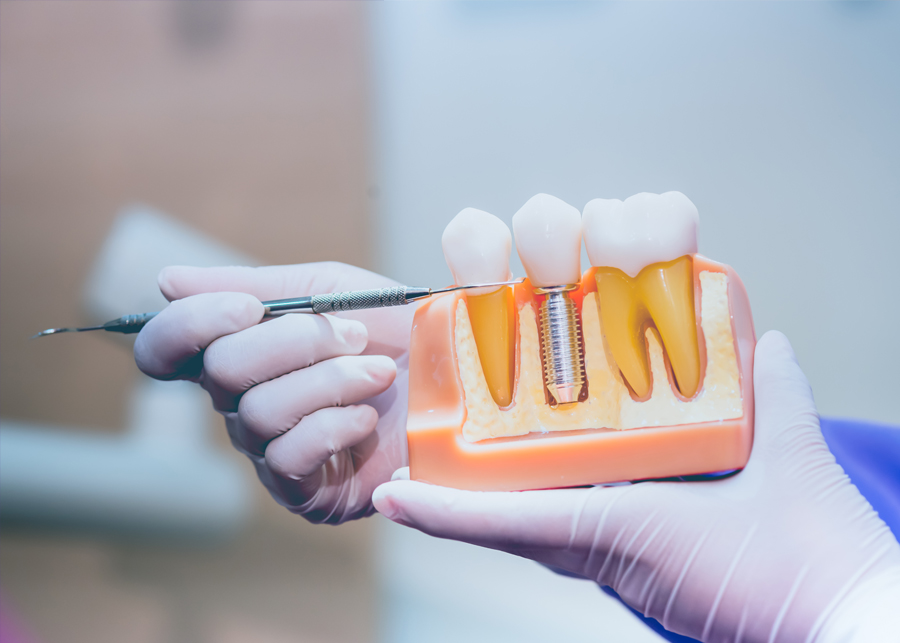
Think of a dental implant as a tiny, but mighty, support beam for your teeth. Made from titanium – a material known for being strong and biocompatible – it’s surgically placed into your jawbone, acting like the root of a natural tooth. Over time, the implant becomes part of your bone through a natural bonding process called osseointegration, creating a sturdy base for replacement teeth like crowns, bridges, or dentures.
Imagine rebuilding a house with a solid foundation rather than something temporary – it’s the same idea with dental implants. They’re designed to last, providing a dependable solution whether you’re missing a single tooth or need a full mouth restoration.
Types of Dental Implants
When it comes to dental implants, – or anything, for that matter – there’s no one-size-fits-all solution. Your needs, jawbone health, and goals will determine the best option for you.
Endosteal Implants
These are the most common types of implant. They’re placed directly into your jawbone, where they create a strong anchor for replacement teeth.
- Best for: Patients with healthy bone density.
- How they work: Over time, the implant fuses with your jawbone, giving you a secure and lasting fit.
- Why they’re popular: They feel natural, look great, and are highly durable – like putting the right puzzle piece back into place.
Subperiosteal Implants
If your jawbone isn’t strong enough for endosteal implants and you’d rather not undergo additional procedures to build it up, subperiosteal implants might be a better fit.
- Best for: Patients with lower bone density.
- How they work: A lightweight metal frame rests on top of your jawbone but under the gums, and replacement teeth attach to this framework.
- Why they’re helpful: They’re a practical choice when traditional implants aren’t possible.
Zygomatic Implants
For patients with severe bone loss, zygomatic implants offer an alternative approach. Instead of anchoring in the jawbone, they’re secured in the cheekbone (zygomatic bone).
- Best for: Severe bone loss in the upper jaw.
- How they work: These implants require specialized expertise but can offer a way forward for those without other options.
- Why they work: They bypass the jawbone altogether, providing stability in otherwise difficult cases.
Advanced Implant Techniques
Sometimes, traditional implant methods aren’t the most practical option. In those cases, innovative techniques help meet specific needs while offering flexibility and convenience. Here are a couple of our favorites:
Endosteal Implants
The all-on-4 technique works to replace an entire row of teeth using just four implants strategically placed to maximize their stability.
- Best for: Patients needing a full-arch restoration.
- Why it’s a great option: It provides a secure solution that feels and functions like natural teeth, often without needing additional bone grafts.
Subperiosteal Implants
Imagine dentures that feel stable but are easy to remove when needed – kind of like retainers – this is the idea behind snap-on dentures.
- Best for: Those who want a removable option without the slipping and discomfort of traditional dentures.
- How they work: Dentures securely “snap” onto implants, staying put when in use but easy to clean or adjust.
Immediate Load Implants
Sometimes called “same-day teeth,” these implants allow temporary replacement teeth to be placed right after surgery.
- Best for: Patients with good bone density and specific dental needs.
- Why patients love them: You don’t have to go weeks or months without teeth during the healing process.
How do they work? The infected tooth is extracted, the implant is placed immediately, and a temporary crown is attached – all in one visit.
Preparatory Procedures
In some cases, the jawbone may need a little extra care to make sure it can support implants. Think of it like adding reinforcements to a building before construction begins. To do this, your dentist can choose one of the following techniques:
- Bone Grafting: Adds bone material to rebuild areas with low density.
- Sinus Lift: Adds bone to the upper jaw near the sinuses, often for upper molar implants.
- Ridge Expansion: Widens a narrow jawbone to create enough room for implants.
These procedures might sound intimidating, but they’re pretty straightforward and help set the stage for long-term success.

Final Thoughts: Choosing the Right Option
We’ve pretty much bombarded you with options and explanations, so it’s normal to feel overwhelmed by the choices – after all, every smile is unique. Factors like the number of teeth you’re replacing, the health of your jawbone, and your overall goals all play a role. This is where a dental consultation becomes essential. A skilled professional will take the time to understand your situation and recommend the best path forward.
And remember: dental implants aren’t just about replacing missing teeth – they’re about reclaiming your confidence, comfort, and quality of life. Imagine enjoying your favorite meal without worrying about loose dentures or smiling freely in photos without hesitation. That’s how it’s supposed to be.
At Mexico Dental Implants, we’re here to help you take that first step. With personalized care and expert guidance, restoring your smile is more achievable than you think. Schedule a consultation today – we’d be honored to be part of your journey toward a healthier, happier you.