
November 3, 2026
Dental Implant vs. Bridge for One Missing Tooth: How to Choose
Losing one tooth can have an outsized effect on how you chew, speak, or feel about your smile. Replacing it is not always a simple choice. Two common options, a dental implant with a crown and a fixed bridge, can look similar after treatment but work in different ways.
The deciding factors are not just price or speed. The condition of the teeth beside the gap, your gums and jawbone, your dental history, and how you plan to maintain the restoration all matter. Here is a practical comparison to help you ask better questions at your consultation.
How does a dental implant replace one tooth?
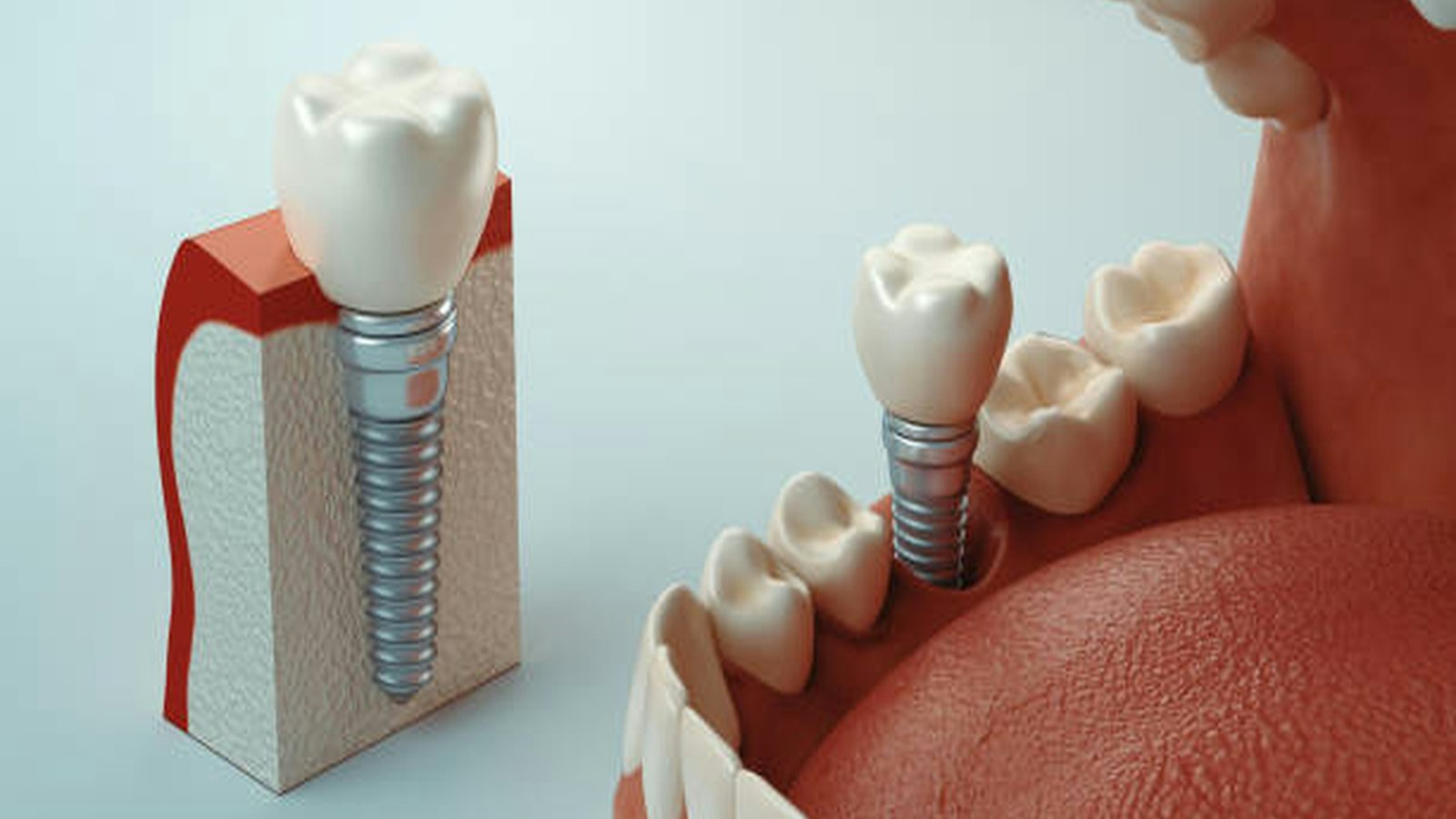
A single implant is surgically placed in the jaw and supports a replacement crown through a connecting component called an abutment. Unlike a conventional bridge, it does not normally require the neighboring teeth to be prepared as supports.
An implant may require diagnostic imaging, surgery, healing, and a later restorative visit. Some patients need additional treatment, such as bone augmentation. A temporary tooth may be possible, but you should not assume the final crown can always be fitted on the day of surgery.
How does a traditional dental bridge work?
A conventional tooth-supported bridge usually places crowns over teeth on both sides of the gap. These anchor crowns support a replacement tooth between them. Preparing the supporting teeth commonly involves removing some natural tooth structure.
That can be an important trade-off when the adjacent teeth are otherwise healthy. It may be less of a disadvantage if those teeth already need substantial crowns. The dentist should explain the exact bridge design rather than relying on the word “bridge” alone.
What happens to the neighboring teeth?
This is one of the most meaningful differences. An implant crown can replace the missing tooth independently of the teeth next to it. A conventional bridge uses those teeth as supports, which changes how they are prepared and maintained.
Neither approach should be selected without considering the remaining teeth. A bridge can be entirely reasonable in the right circumstances. Conversely, an implant may not be suitable if the available bone, anatomy, health factors, or treatment goals make surgery inappropriate.
How do the treatment timelines compare?
A conventional bridge can sometimes be completed after tooth preparation, impressions or digital scans, and laboratory fabrication. Temporary restorations may be used between visits.
An implant can involve several stages: evaluation, placement, healing, and the final crown. Additional procedures or a staged plan may extend the timeline. For patients traveling for treatment, a written visit schedule is essential before purchasing flights.
Ask which steps are predictable and which depend on findings at an in-person examination. The estimate should identify whether the proposed restoration is temporary or final.
Which option is easier to maintain?
Both require consistent care. Cleaning a bridge includes the area underneath its replacement tooth and around the natural teeth supporting it. Those teeth remain susceptible to decay and periodontal problems.
An implant crown does not develop cavities, but its surrounding tissues can become inflamed. Regular professional follow-up, cleaning around the restoration, and monitoring for mechanical problems remain important.
The American College of Prosthodontists emphasizes a patient-centered decision that weighs the adjacent teeth, available bone, maintenance, long-term cost, and personal preferences.
Cost: compare the full treatment, not just the headline
An implant quote may include surgical placement, the implant component, abutment, crown, scans, and any additional procedures. A bridge quote may include supporting tooth preparation, temporary restorations, laboratory fabrication, and treatment of the anchor teeth.
Compare the same level of detail in both offers. Our article on comparing dental implant quotes can help.
Five questions worth asking
- Are the teeth beside the missing tooth healthy, or do they already need crowns?
- Is there enough bone and space for a single implant?
- How many appointments and healing stages are expected for each option?
- Which procedures and components are included in each estimate?
- What maintenance or repairs may be needed later?
For a broader view of implant treatment, visit our dental implants in Mexico page.
Frequently Asked Questions
Is an implant always better than a bridge?
No. Both are established restorative options. The right choice depends on clinical findings, patient priorities and treatment feasibility.
Will a bridge damage healthy neighboring teeth?
A conventional bridge usually requires preparing adjacent teeth. Your dentist can explain how much preparation the proposed design requires.
Can a bridge be replaced by an implant later?
Sometimes, but bone and dental conditions can change. It is better not to assume that switching will always remain possible.
Which restoration lasts longer?
There is no guaranteed lifespan for either. Material choice, bite forces, oral health, maintenance, and the condition of supporting structures all influence outcomes.
A plan for your tooth, not a generic answer
Replacing one missing tooth deserves an individual assessment, not a one-line sales pitch. You can see the dental professionals featured on our site and request a consultation.
This article provides general information and does not replace individual dental diagnosis or care.
References:
- American College of Prosthodontists, Posterior Single Tooth Replacement
- American College of Prosthodontists, Dental Implants


