November 20, 2026
Replacing Two or Three Missing Teeth: Dental Implant Bridge Options
When two or three teeth are missing, the main options are an implant for each missing tooth, an implant-supported bridge, a conventional bridge held by your own teeth, or a removable partial denture. There is no fixed formula. Which option fits depends on where the gaps are, whether the missing teeth sit side by side, the health of the teeth around them, the bone available and how you bite.
This guide compares those options for dental implants for multiple missing teeth, so you can understand what a dentist will be weighing and what to ask for in a treatment plan. If only one tooth is missing, our article on implant vs. bridge for one missing tooth covers that decision.
The options at a glance
| Option | How it works | Effect on neighboring teeth | Points to discuss |
|---|---|---|---|
| Individual implants | One implant and crown for each missing tooth | Neighbors are not used as supports | Enough bone and space for each implant; more surgical sites |
| Implant-supported bridge | Implants hold a bridge that includes one or more replacement teeth between them | Neighbors are not used as supports | Fewer implants than teeth in some cases; cleaning under the bridge |
| Tooth-supported bridge | Crowns on the teeth beside the gap hold the replacement teeth | Neighboring teeth are usually reshaped for crowns | Health of those teeth; longer spans put more load on them |
| Removable partial denture | A removable appliance with replacement teeth that clasps onto remaining teeth | Clasps rest on remaining teeth | Usually the least invasive; taken out for cleaning; fit and comfort vary |
The ADA describes bridges and implants as two common ways to replace missing teeth. The right choice is a clinical decision made after an exam and imaging, not a product you pick from a list.
Individual implants for each missing tooth
Replacing each tooth with its own implant keeps every restoration separate, similar to natural teeth. Flossing is closer to normal, and a problem with one crown does not affect the others.
It is not always possible or necessary. Each implant needs enough bone, space between roots and room for the crown. Two implants placed very close together can make it harder to keep healthy gum between them, which matters most in the front of the mouth. That is one reason a dentist may suggest fewer implants supporting a bridge instead.
Implant-supported bridges
An implant-supported bridge uses implants as the anchors instead of natural teeth. For three missing teeth in a row, for example, a dentist may plan implants at the two ends with a replacement tooth suspended between them. Whether that design suits you depends on the length of the gap, the bone, the forces in that part of the mouth and the materials used.
How it differs from a tooth-supported bridge
A conventional bridge relies on the teeth beside the gap, which are usually reshaped and crowned. An implant-supported bridge leaves those teeth alone. In exchange, it requires implant surgery and healing time before the final bridge is attached.
Cleaning and maintenance
Any bridge needs cleaning underneath the replacement teeth with floss threaders, interdental brushes or a water flosser. Ask your dentist how your bridge is attached, because a screw-retained bridge can usually be removed by the dentist for maintenance. Our article on screw-retained vs. cement-retained restorations explains the difference.
Side by side or separated: why the location matters
Two missing teeth next to each other create a different problem from two gaps on opposite sides of the mouth. These are common situations and the questions each raises:
Two adjacent front teeth
Appearance and gum shape matter most here. Ask how the plan will support natural-looking gums between the replacement teeth, and whether one or two implants are being considered.
Three adjacent back teeth
Chewing forces are higher. Ask how many implants the plan uses, why, and how the bite will be checked once the final teeth are in place.
Separate gaps in different areas
Each gap is planned on its own, often with single implants or separate bridges. Ask whether all sites can be treated in the same visits.
A gap next to a weak tooth
If a neighboring tooth has a large filling, decay or gum disease, it affects the whole plan. Ask whether that tooth can be kept long term.
When many teeth in the same jaw are missing or failing, the conversation usually moves toward full-arch options instead. That is a different decision, covered on our All-on-4 page.
The condition of your remaining teeth
The teeth you still have shape every option. A dentist will look at decay, old fillings and crowns, root canal treatments, mobility and gum health around each neighboring tooth. A tooth that already needs a crown may make a conventional bridge more reasonable. A healthy, untouched tooth is often a reason to avoid reshaping it.
Gum disease should be under control before implant treatment, because it can affect both natural teeth and implants. Your bite also matters: teeth that have drifted or overerupted into the space may need attention before the gap can be restored properly.
Bone, imaging and restorative design
After a tooth is lost, the bone in that area can shrink over time. A 3D scan (CBCT) shows the height and width of the bone and the position of nerves and sinuses, which helps decide how many implants are feasible and where. When bone is missing, grafting may be suggested first; our guide on how bone grafting supports dental implants explains when and why.
The restorative design is planned together with the surgery: the number and position of implants, the type of bridge or crowns, the materials and how the restoration will be cleaned. You may wear temporary teeth during healing; see temporary vs. final teeth for what to expect.
The number of implants for two or three missing teeth is not fixed. It depends on your bone, the span, the forces in that area and the design of the final teeth. A plan should explain why it uses the number it does.
How to request a personalized plan
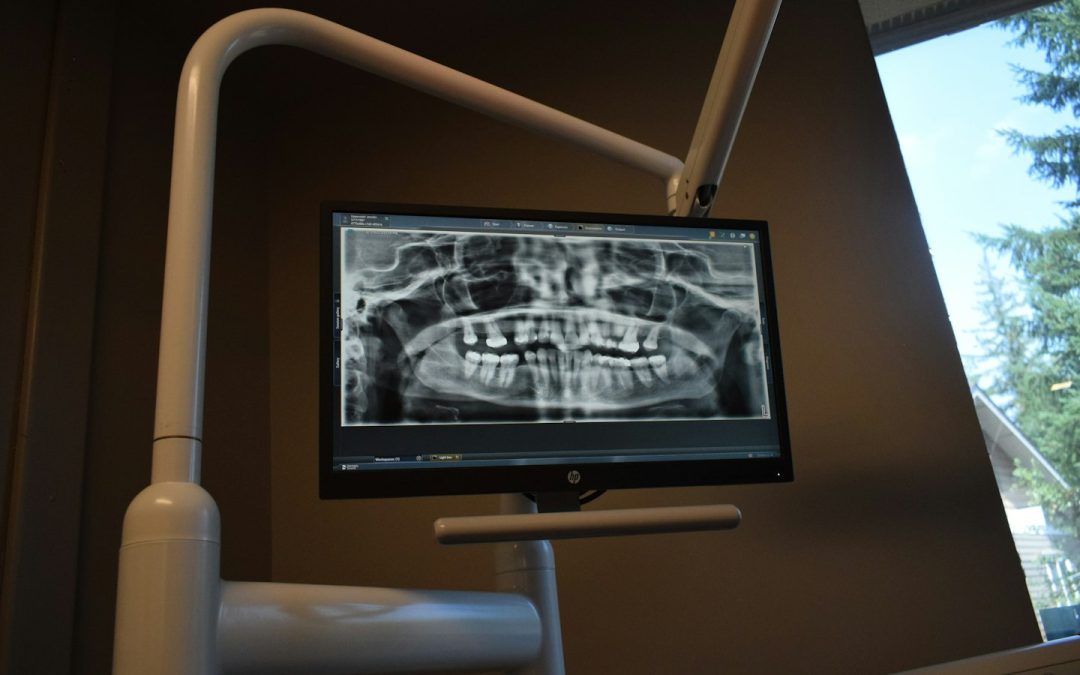
- Share what you have. Recent x-rays or a 3D scan, photos of your smile and any treatment plan from another dentist.
- Describe your goals. Fixed or removable, which areas bother you most, and any time limits for travel.
- Ask for options, not one answer. Request the alternatives that apply to your case and the reasons for each.
- Get it itemized. Each implant, bridge or crown, any grafting, temporary teeth and follow-up visits listed separately.
- Confirm the timeline. How many visits, how long between them and what happens after you go home.
You can read about the specialists featured on our site and the main dental implant treatments in Mexico before you ask for a plan.
Missing two or three teeth? Send your x-rays and questions, and ask for a plan that compares the options for your case.
Frequently asked questions
Do I need one implant for every missing tooth?
Not always. Some cases use an implant for each tooth, while others use fewer implants supporting a bridge. The decision depends on bone, spacing, bite forces and the restoration design.
Is an implant-supported bridge better than a regular bridge?
Neither is better for everyone. An implant-supported bridge avoids reshaping the neighboring teeth but requires surgery and healing. A regular bridge may make sense when the neighboring teeth already need crowns.
Can two missing teeth on different sides be treated at the same time?
Often they can be planned together, but it depends on your health, the surgery involved and healing. Ask how many visits your plan needs.
What if a tooth next to the gap is weak?
Its long-term outlook affects the whole plan. The dentist may suggest treating it, including it in a bridge or, in some cases, replacing it. Ask what can be done to keep it before agreeing to remove it.
How many implants do I need to replace three missing teeth?
There is no fixed number. Some plans use one implant per tooth and others use fewer implants supporting a bridge. Bone, the length of the gap, bite forces and the restoration design decide it.
Are implants better than a partial denture for two missing teeth?
Implants are fixed and do not rely on clasps, while a partial denture is removable and usually less invasive. Which suits you depends on your oral health, bone, budget and how you feel about a removable appliance.
How long does it take to replace multiple missing teeth with implants?
It depends on whether you need extractions or grafting and on how you heal. Treatment usually happens in stages, with healing time before the final teeth, so ask for an estimated timeline in your plan.
Can I have temporary teeth while the implants heal?
In many cases, yes. The type of temporary depends on the location of the gaps and on your treatment plan.
This article is general information and does not replace an individual dental diagnosis.
References
- American Dental Association, MouthHealthy, Bridges
- American Dental Association, MouthHealthy, Missing teeth
- American Dental Association, MouthHealthy, Implants